
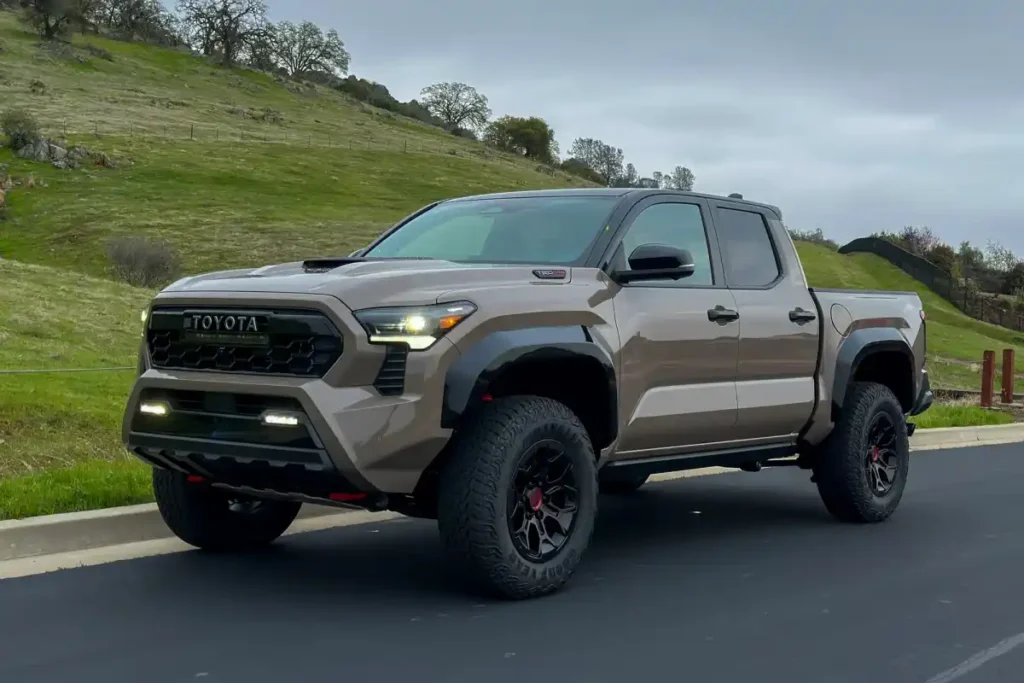
Toyota Tacoma is one of the most reliable midsize pickup trucks in the U.S. market, known for durability, resale value, and long-term ownership.
However, some model years have more reported problems than others. Certain older Tacoma models had frame rust issues, while some newer models faced transmission complaints and recalls.
If you are searching for the best years for Toyota Tacoma, the top choices are 2021–2023, 2013–2015, and 2018–2020. This guide explains the best and worst Tacoma years to help you find a reliable used Toyota Tacoma and make a smarter buying decision.
The Worst Years for Toyota Tacoma to Avoid
Not every Toyota Tacoma delivers the same ownership experience. Some model years have more reported problems than others, and these issues can lead to expensive repairs or lower resale value. If you are searching for a used Tacoma for sale, these are the years that need extra attention. A careful inspection can help you avoid costly problems and find a better Toyota Tacoma used model.
Toyota Tacoma Years to Avoid: Quick Overview
| Year | Main Problems | Risk Level |
|---|---|---|
| 2006–2009 | Frame rust and corrosion issues, especially in salt belt areas | High |
| 2012 | Air injection pump failure, P2440/P2442 codes, reduced power mode | Medium |
| 2016–2017 | Transmission hesitation, timing cover oil leaks, recall concerns | Medium |
| 2024–2025 | Early fourth-generation recalls and reliability concerns | Medium |
The Tacoma years with the most reported concerns include:
- 2006 Toyota Tacoma – Frame rust, frame damage concerns, unintended acceleration reports, and paint peeling issues
- 2007 Toyota Tacoma – Sticky accelerator pedal concerns, rust problems, and acceleration complaints
- 2009 Toyota Tacoma – Fuel pulsation damper leaks and radio system issues
- 2012 Toyota Tacoma – Air injection pump failures and P2440/P2442 trouble codes
- 2016 Toyota Tacoma – Transmission hesitation, delayed engagement, and engine noise complaints
- 2017 Toyota Tacoma – Transmission issues and crankshaft position sensor recall concerns
If you are buying a used Toyota Tacoma or comparing different used Toyota trucks, checking these model years carefully can help you make a smarter decision. The following sections explain each problem, possible repair costs, and what buyers should know in 2026.
2006–2009 Toyota Tacoma: The Frame Rust Problem
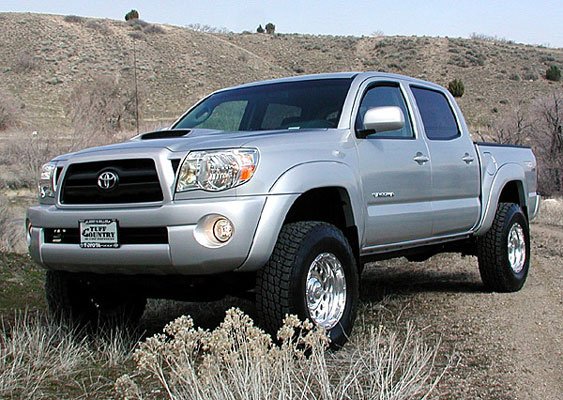
The biggest concern with 2006–2009 Toyota Tacoma models is frame rust. Toyota used frames supplied by Dana, and some trucks had poor corrosion protection from the factory. In areas with heavy road salt, such as northern U.S. states, moisture and salt could cause serious rust damage. Severe rust could weaken the frame structure and affect the truck’s safety.
Toyota started a frame inspection and replacement program in 2008. The program allowed eligible owners to receive a free frame replacement or corrosion protection treatment. However, this program had a time limit, and many vehicles reached the end of coverage between 2023 and 2025.
In 2026, most 2006–2009 Tacoma owners can no longer use the free frame replacement program. If a truck has serious frame damage, owners may face repair costs of around $12,000–$18,000, or the vehicle may become too expensive to repair.
Before buying a used Toyota Tacoma from these years, always check the frame condition carefully. Look for:
- Use a flashlight and screwdriver to inspect the inside of the frame rails and leaf spring mounting areas.
- Avoid trucks with large pieces of metal flaking off or holes that can be pushed through.
- Be careful with frames that have recent welding repairs or thick undercoating that may hide rust.
- Contact Toyota customer service at 1-800-331-4331 and provide the VIN to check if the truck had previous frame program coverage.
For buyers looking at a used Tacoma for sale, 2010–2011 models are often safer alternatives. Toyota improved corrosion protection on these later second-generation trucks, and they usually have similar pricing in the used market.
2012 Toyota Tacoma: Air Injection Pump Failure
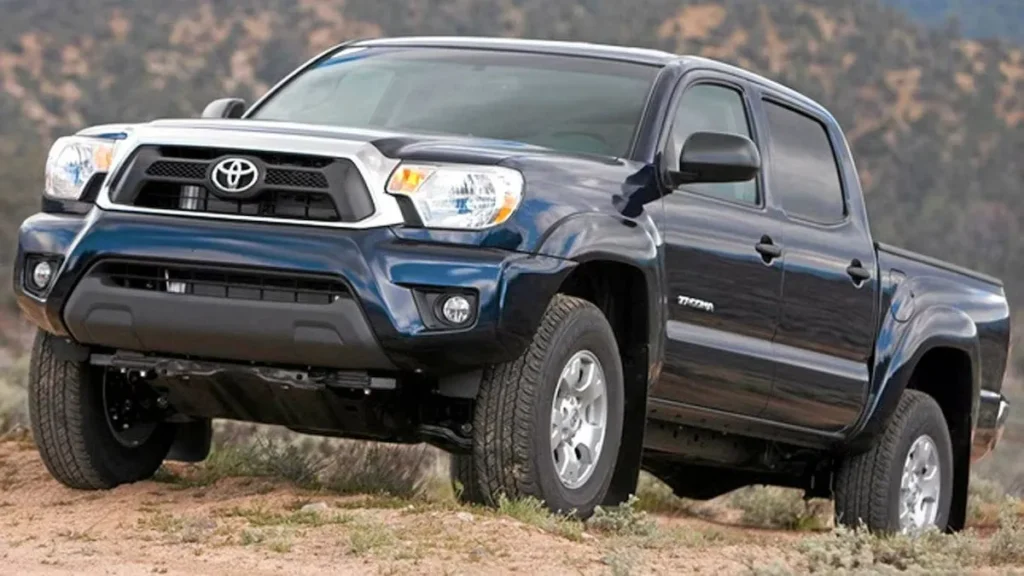
The 2012 Toyota Tacoma has one common problem that buyers should know about: the secondary air injection system. The air injection pump and valves can become stuck and trigger fault codes such as P2440 and P2442. When this happens, the truck may enter a reduced power mode, which limits engine performance.
Toyota extended the warranty coverage for this issue to 10 years or 150,000 miles for eligible vehicles. However, most 2012 Tacoma models reached the end of this extended coverage between 2022 and 2023. Many owners now need to handle repair costs themselves.
In 2026, fixing this problem can cost around $2,000–$3,500, depending on parts and labor. A failed air injection system can cause warning lights, reduced acceleration, and poor driving performance. Some trucks may not accelerate normally until the problem is repaired.
Before buying a Toyota Tacoma used model from 2012, you can check for signs of this issue:
- Listen for the air injection pump during a cold start. A missing pump sound may indicate a problem.
- Use an OBD2 scanner to check for P2440 or P2442 fault codes.
- Review the maintenance history and ask if the air injection system has been repaired.
For buyers searching for a used Tacoma for sale, the 2013–2015 Tacoma models are often better choices. These later second-generation trucks improved several systems and offer strong reliability with similar used market prices.
2016–2017 Toyota Tacoma: Early Third-Generation Problems
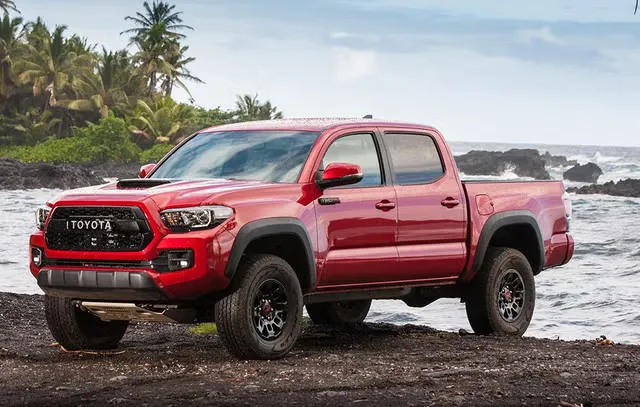
The 2016–2017 Toyota Tacoma introduced the third generation with a new design and updated technology. However, some early models had more complaints than later years. The main concerns include transmission hesitation and oil leaks from the 3.5L V6 engine.
Some owners reported 6-speed automatic transmission hesitation, delayed shifting, and rough gear changes. Toyota released software updates through technical service bulletins (TSBs), but some drivers still experienced shifting issues after the updates.
Another concern is the 3.5L V6 timing cover oil leak. Repairing this issue can require major labor because technicians need to remove several engine components. Repair costs can range from around $3,000 to $6,000 depending on the damage and labor rates.
Other reported issues include:
- Crankshaft position sensor recall, which could increase the risk of engine stalling while driving.
- Third brake light leaks, which may allow water into the cab and cause roof moisture or mold problems.
Toyota improved several areas in later models, including transmission calibration and sealing components. For buyers considering a used Toyota Tacoma, 2018–2020 models are often better options because they include these improvements and come with Toyota Safety Sense as standard equipment.
In 2026, 2016–2017 Tacoma trucks usually sell for about $3,000–$5,000 less than comparable 2018–2020 models. However, the lower purchase price may come with higher repair risks. If you are looking at a used Tacoma for sale, always check service records and inspect these common problem areas before buying.
2024–2025 Toyota Tacoma: Fourth-Generation Reliability Concerns
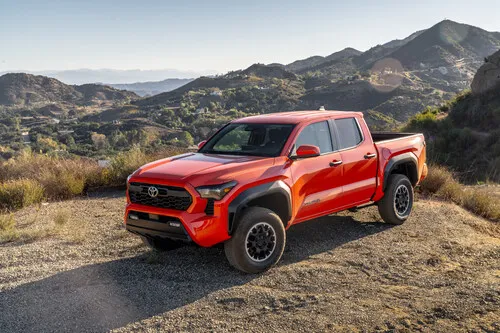
The 2024–2025 Toyota Tacoma is the first model years of the fourth generation. Toyota added a new platform, updated technology, and new powertrain options. However, these early models have faced several major recalls and reliability concerns. For buyers searching for a used Toyota Tacoma, these years need extra research before purchase.
The 2024–2025 Tacoma has received multiple recalls involving safety and vehicle systems, including rear brake hose issues, instrument panel problems, driveshaft concerns, and TRD shock absorber corrosion. Some owners have also reported 8-speed automatic transmission problems, including shifting issues, slipping, and performance concerns. In severe cases, transmission replacement can cost around $5,000–$8,000.
| Recall Date | Recall Number | Problem | Affected Vehicles | Risk |
|---|---|---|---|---|
| Early 2025 | 25TB01 | Rear brake hose leak | 221,846 vehicles | Reduced braking performance |
| Late 2025 | 25TA11 | Instrument panel issue | 591,377 vehicles | Warning lights may not display correctly |
| June 2026 | 25V656 | Front driveshaft CV joint issue | 6,000 4WD vehicles | Possible loss of vehicle control |
| August 2026 | 25TB11 | TRD shock absorber corrosion | 48,000 vehicles | Shock reservoir separation risk |
Early fourth-generation models also received lower reliability expectations compared with previous Tacoma generations. Some reliability reports showed a decline from older Tacoma models, while Consumer Reports predicted below-average reliability for 2024–2025 models.
For buyers looking at a used Tacoma for sale, the 2021–2023 Tacoma is often a safer choice. These final third-generation models use the proven naturally aspirated V6 engine and have fewer early-production issues. Many Tacoma owners consider 2021–2023 one of the strongest choices for long-term ownership.
The Best Years for Toyota Tacoma: Reliable Models to Buy
The good news is that Toyota Tacoma still has many reliable model years. After avoiding the problem years, buyers can focus on trucks with proven performance, strong resale value, and lower ownership risks.
If you are looking for the best years for Toyota Tacoma or a reliable used Toyota Tacoma, the following models are some of the best choices.
Best Toyota Tacoma Years: Quick Overview
| Model Year | Generation | Key Strengths | Best For |
|---|---|---|---|
| 2021–2023 | Third Generation (Final Years) | Most mature third-generation Tacoma, proven 3.5L V6 engine, improved reliability compared with early models | Buyers who want the newest reliable V6 Tacoma |
| 2018–2020 | Third Generation | Improved transmission calibration, Toyota Safety Sense P, Apple CarPlay and Android Auto, strong value | Buyers looking for modern features at a lower price |
| 2013–2015 | Second Generation (Final Years) | Proven 4.0L V6 engine, simple mechanical design, excellent long-term durability and resale value | Buyers who prefer a reliable and easier-to-maintain Tacoma |
2021–2023 Toyota Tacoma: The Last Naturally Aspirated V6 Models
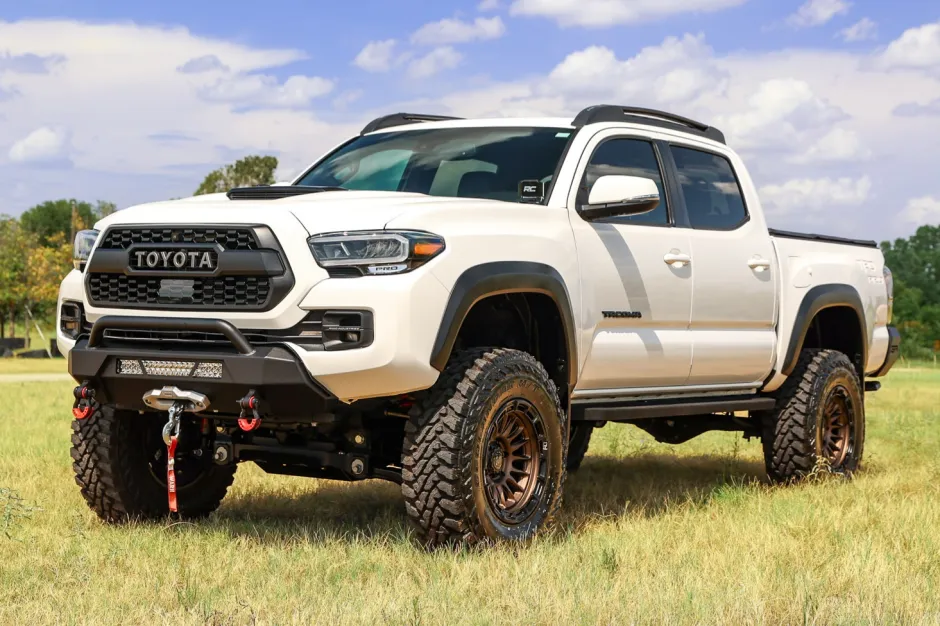
The 2021–2023 Toyota Tacoma represents the most mature years of the third generation. Toyota had already improved many early third-generation issues from the 2016–2017 models, making these trucks a safer choice for long-term ownership.
These models also use the last naturally aspirated 3.5L V6 engine before the 2024+ Tacoma moved to a turbocharged 2.4L engine with hybrid options. The long-term reliability of the newer powertrain still needs more time to prove itself, which makes the 2021–2023 Tacoma attractive for buyers who prefer a proven setup.
Key reliability points include:
- 2023 J.D. Power reliability score: 83/100
- KBB owner rating: 4.4/5
- CarComplaints: Only 4 reported complaints
In 2026, used 2021–2023 Tacoma models usually sell for around $35,000–$45,000, depending on mileage, trim level, and condition. Trucks with 50,000–100,000 km often provide a good balance between price and remaining service life.
Before buying a used Toyota Tacoma from these years, check:
- Rear brake light seal condition to prevent water leaks and roof moisture
- Transmission software updates to confirm whether Toyota TSB updates have been completed
For buyers searching for the best years for Toyota Tacoma, the 2021–2023 models are among the strongest choices because they combine modern features with proven V6 reliability.
2013–2015 Toyota Tacoma: The Final Second-Generation Years
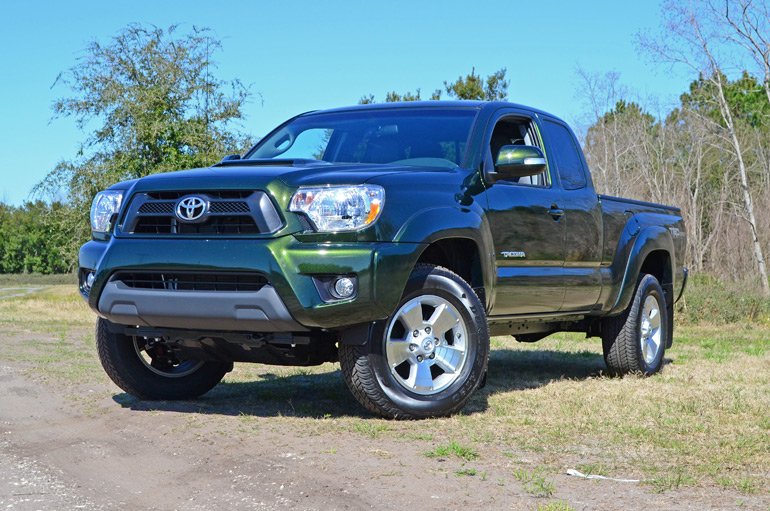
The 2013–2015 Toyota Tacoma is one of the best choices from the second generation. These years avoided many problems found in earlier models, including frame rust concerns from 2006–2009 and air injection pump issues from 2012. Toyota improved the platform over time, making these trucks more reliable for long-term ownership.
These models use the proven 4.0L V6 engine, which many Tacoma owners consider one of Toyota’s most durable engines. With proper maintenance, many trucks can reach 200,000–300,000 miles without major engine repairs. This strong reliability is one reason why these Tacomas remain popular in the used market.
According to iSeeCars data, Tacoma models from this period have strong resale value, with only about 22% depreciation over five years. In 2026, a clean 2013–2015 used Toyota Tacoma usually costs around $22,000–$30,000, depending on mileage, trim, and condition.
Before buying a Toyota Tacoma used model from these years, check:
- Rear brake light seals for water leaks, which can cause moisture inside the cab
- Front differential bearing noise, especially a humming sound between 30–50 mph
For buyers looking for a reliable used Tacoma for sale, the 2013–2015 Tacoma offers a great balance of durability, simple mechanics, and strong resale value.
2018–2020 Toyota Tacoma: The Best Value with Modern Features
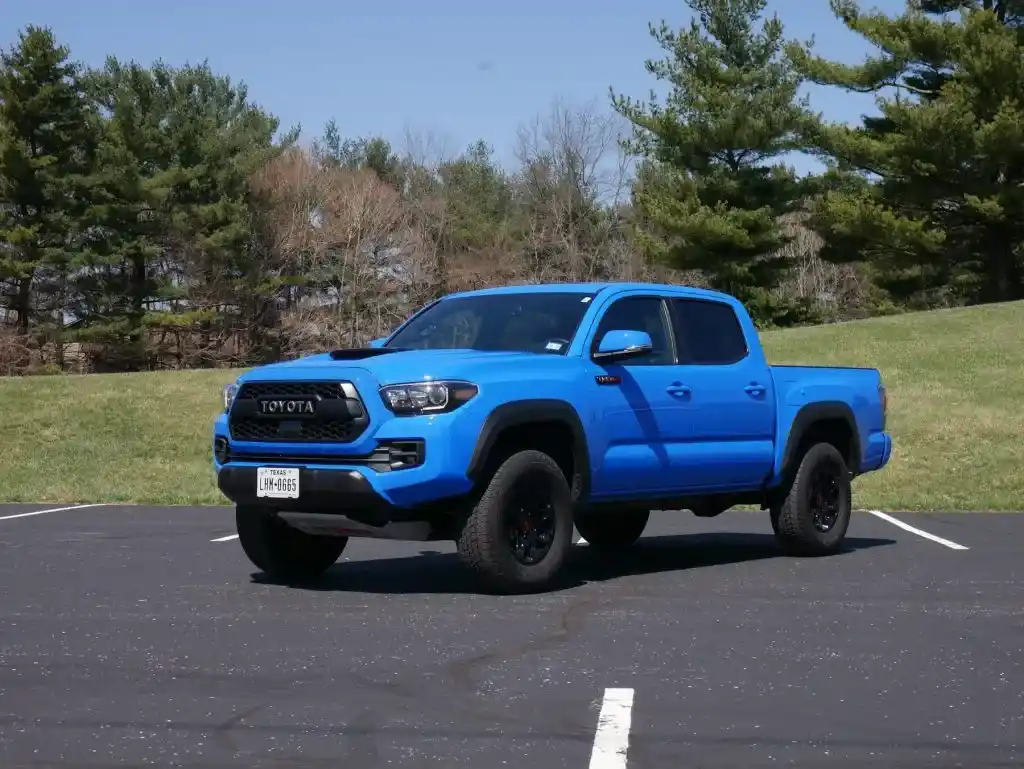
The 2018–2020 Toyota Tacoma offers a strong balance between reliability, technology, and price. Toyota improved many early third-generation issues from the 2016–2017 models, making these years better choices for buyers who want a modern Tacoma.
These models come with Toyota Safety Sense P as standard equipment, which adds important safety features. The 2020 Tacoma also added Apple CarPlay and Android Auto, making daily driving more convenient. Toyota also improved transmission calibration to reduce the hesitation and shifting complaints found in some earlier third-generation trucks.
In 2026, 2018–2020 Tacoma models are usually $5,000–$8,000 cheaper than 2021–2023 models. A clean used Toyota Tacoma from these years typically costs around $28,000–$38,000, depending on mileage, trim, and condition.
Before buying a used Tacoma for sale from this generation, check:
- Third brake light seals for water leaks. Toyota issued a recall related to this issue on some 2020 models.
- Transmission software updates to confirm whether required TSB updates have been completed.
For buyers comparing used Toyota trucks, the 2018–2020 Tacoma is a smart choice for those who want modern features without paying the higher price of newer models.
Toyota Tacoma Problems by Model Year
The Toyota Tacoma has a strong reliability reputation, but some model years have more reported problems than others. This table gives a quick overview of the main issues, possible repair costs, and recall status. If you are comparing a used Toyota Tacoma or looking for a used Tacoma for sale, this guide can help you know which years need extra attention.
| Year | Main Problems | Estimated Repair Cost | Recall Status |
|---|---|---|---|
| 2005 | Frame rust, paint peeling | $12,000–$18,000 (frame replacement) | Yes (expired) |
| 2006 | Frame corrosion, possible frame damage, paint peeling, acceleration complaints | $12,000–$18,000 | Yes (expired) |
| 2007 | Sticky accelerator pedal concerns, acceleration complaints, rust issues | $12,000–$18,000 | Yes (expired) |
| 2008 | Early frame rust, paint peeling, starting problems | $12,000–$18,000 | Yes (expired) |
| 2009 | Frame rust, fuel pulsation damper leak | $12,000–$18,000 | Yes (expired) |
| 2011 | Air conditioning issues, interior component problems | $500–$1,500 | No |
| 2012 | Reduced power mode, acceleration problems, air injection pump failure | $2,000–$3,500 (air injection system) | Yes (extended warranty expired) |
| 2016 | Transmission hesitation, delayed engagement in cold weather, engine noise | $3,000–$6,000 (timing cover repair) | Partial |
| 2017 | Transmission complaints, crankshaft position sensor recall | $3,000–$6,000 | Yes |
| 2024 | Rear brake hose leak, instrument panel issues, 8-speed transmission concerns | $5,000–$8,000 (transmission replacement) | Yes (multiple recalls) |
| 2025 | Front driveshaft CV joint issues, TRD shock absorber corrosion, transmission concerns | $5,000–$8,000 (transmission replacement) | Yes (multiple recalls) |
Source: NHTSA official recall data, CarComplaints owner complaints, Consumer Reports reliability ratings (2025–2026).
For buyers searching for Toyota Tacoma used models, the year alone does not tell the full story. A well-maintained truck with complete service records can be a better choice than a newer model with poor maintenance history. Always check the vehicle history, frame condition, and repair records before buying a used Toyota trucks model.
Salt Belt Warning: Toyota Tacoma Frame Rust Risk by Region
Salt belt areas have a higher risk of Toyota Tacoma frame corrosion because roads in these regions often use salt and chemicals during winter. Salt, moisture, and cold temperatures can speed up rust, especially on older trucks with exposed steel frames.
When buying a used Toyota Tacoma, the vehicle location history is just as important as mileage. A low-mileage Tacoma from a heavy salt area may have more rust damage than a higher-mileage truck from a dry region.
U.S. Salt Belt States
These areas have higher rust risks because of frequent winter road salt use:
Connecticut, Delaware, Illinois, Indiana, Kentucky, Maine, Maryland, Massachusetts, Michigan, Minnesota, New Hampshire, New Jersey, New York, Ohio, Pennsylvania, Rhode Island, Vermont, Virginia, West Virginia, and Wisconsin.
Canadian Salt Belt Provinces
Ontario, Quebec, New Brunswick, and Nova Scotia.
Lower Salt Risk States
Vehicles from warmer and drier regions usually have lower corrosion risk because they have less road salt exposure.
Common lower-risk states include:
California, Florida, Texas, Arizona, Nevada, Georgia, Alabama, Mississippi, Louisiana, South Carolina, North Carolina, Tennessee, Arkansas, Oklahoma, and New Mexico.
Used Toyota Tacoma Buying Checklist: 50-Point Inspection Guide
Buying a used Toyota Tacoma requires more than checking the mileage and price. A detailed inspection can help you find hidden problems and avoid expensive repairs. This 50-point checklist covers the key areas before you buy a used Tacoma.
Stage 1: Before Visiting the Vehicle
- Check the VIN history report with Carfax or AutoCheck.
- Confirm previous registration locations.
- Look for salt belt states with higher rust risks.
- Check if the vehicle has accident records.
- Review maintenance history.
- Confirm the number of previous owners.
- Compare the asking price with similar Tacoma models.
- Check the trim level and factory options.
- Verify the mileage matches service records.
- Search for open recalls by VIN.
- Confirm title status.
- Check if the truck was used for towing or heavy off-road driving.
Stage 2: Visual Inspection at the Vehicle
- Inspect the frame for rust, holes, or heavy corrosion.
- Check inside the frame rails with a flashlight.
- Look at leaf spring mounts for rust damage.
- Inspect cross members near the transmission area.
- Check for fresh undercoating that may hide rust repairs.
- Look for paint peeling or body damage.
- Check door gaps and panel alignment.
- Inspect headlights and taillights for moisture.
- Check the rear brake light seal area for water leaks.
- Inspect tires for uneven wear.
- Check suspension components for damage.
- Look for oil leaks under the engine and transmission.
- Check the exhaust system condition.
Stage 3: Mechanical Check and Road Test
- Start the engine when it is cold.
- Listen for unusual engine noises.
- Check if the engine starts smoothly.
- Confirm there are no warning lights.
- Scan the vehicle with an OBD2 scanner.
- Check for stored fault codes.
- Test acceleration during normal driving.
- Check transmission shifting quality.
- Watch for hesitation or delayed engagement.
- Test 4WD operation if equipped.
- Check steering response.
- Test braking performance.
- Listen for suspension noises.
- Check cruise control and electronic features.
Stage 4: Professional Lift Inspection
A professional inspection is strongly recommended before buying a used Toyota Tacoma. An independent repair shop usually charges around $100–$200 for a complete inspection.
The technician should check:
- Frame thickness and corrosion level.
- Brake line condition.
- Fuel line condition.
- Suspension and steering components.
- Differential leaks.
- Transmission leaks.
- Hidden frame damage.
After completing this 50-point inspection, you can make a more confident buying decision. If the truck is in good condition, you can also consider upgrading it with electric running boards for better daily convenience. Check our Toyota Tacoma Power Running Boards product page, designed for Toyota Tacoma with automatic retracting steps, LED lighting, and anti-pinch protection.
Conclusion
Choosing the best Toyota Tacoma year can help you avoid expensive repairs and enjoy better long-term ownership. Models like 2021–2023, 2013–2015, and 2018–2020 offer a strong balance of reliability, value, and performance.
Before buying a used Toyota Tacoma, always check the vehicle history, frame condition, and common issues. A careful inspection can help you find a better truck.
After buying your Tacoma, you can upgrade comfort and daily convenience with electric running boards. MAX Running Boards provides vehicle-specific power running board solutions with automatic retracting steps, LED lighting, and anti-pinch protection.
Explore our Toyota Power Running Boards or Contact Us for suitable power running board solutions for other truck models. Our team can help you choose the right upgrade for your vehicle.
