

Some Australian 4WD owners want a rugged off-road look without losing the convenience of easy vehicle access. Rock Slider Style Electric Side Steps combine a round-tube-inspired design with automatic retractable steps. Unlike standard rectangular electric running boards, this style offers a different appearance that suits certain 4WD builds.
For 4WD shops and dealers, understanding these design differences helps with product selection. This article covers key features, design comparisons, Australian 4WD applications, and vehicle-specific development. MAX Running Boards has original design drawings and physical product kits for this style. These insights can help buyers evaluate the product and explore sourcing options.
What Are Rock Slider Style Electric Side Steps?
Rock Slider Style Electric Side Steps combine a rugged round-tube appearance with automatic stepping functions. They provide easier vehicle access, but their design should not be confused with protective rock sliders.
How Do Rock Slider Style Electric Side Steps Work?
These electric side steps combine three main features:
- Round-tube design: Creates a rugged exterior that suits off-road vehicle styling.
- Retractable stepping surface: Extends when activated and retracts when no longer needed.
- Entry assistance: Provides a lower stepping position for passengers entering or exiting the vehicle.
The activation method depends on the vehicle and product configuration.
Are Rock Slider Style Side Steps the Same as Rock Sliders?
No. Rock Slider Style Electric Running Boards focus on appearance and entry assistance. Traditional rock sliders are built to protect a vehicle’s lower body from off-road obstacles.
Without verified structural and impact testing, these electric steps should not be considered suitable for rock impact protection or vehicle jacking.
How Do Rock Slider Style Electric Side Steps Compare with Traditional Running Boards?
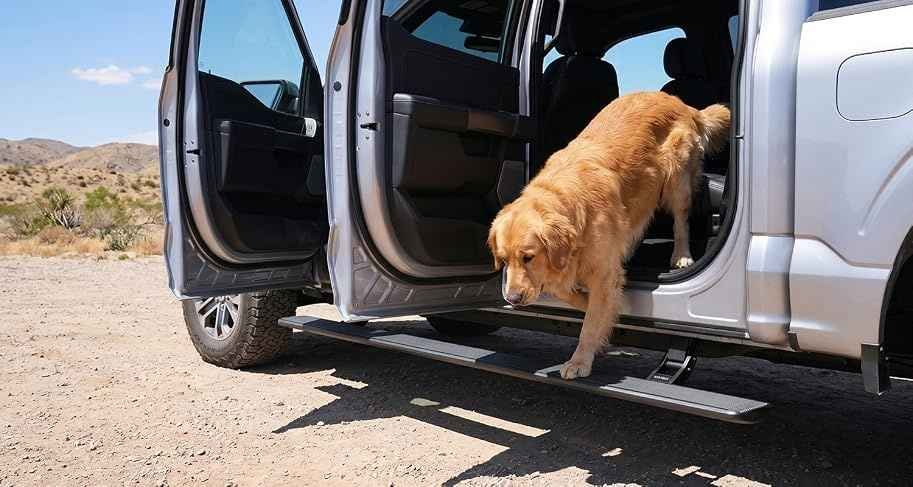
Rock Slider Style Power Running Boards and traditional electric running boards both provide automatic stepping assistance. However, their exterior designs and step surfaces can differ. The right choice depends on vehicle fitment, customer preferences, and daily use.
What Are the Key Differences in Design and Everyday Use?
| Feature | Rock Slider Style | Traditional Electric Running Boards |
|---|---|---|
| Exterior design | Tubular, off-road-inspired | Flat, rectangular |
| Visual style | Rugged 4WD appearance | Conventional SUV or pickup appearance |
| Step surface | Depends on product design | Typically flat and wide |
| Electric operation | Automatic extension and retraction | Automatic extension and retraction |
| Vehicle fitment | Vehicle-specific | Vehicle-specific |
| Rock protection | Requires separate validation | Not assumed |
What affects everyday vehicle access?
Step width, deployed height, and mounting position affect how easily passengers enter and exit a vehicle. A wider step may provide more foot space, while a lower deployed position can reduce the distance passengers need to step up.
However, appearance alone cannot determine which design offers better access. Shops should compare the actual step dimensions and installed positions for each vehicle model.
Which design should 4WD shops recommend?
Rock Slider Style models suit customers who prefer a rugged off-road appearance. Traditional electric running boards suit drivers who prefer a more conventional SUV or pickup look.
Before recommending either option, shops should confirm vehicle compatibility and consider the customer’s daily access needs.
Why Are Rock Slider Style Electric Side Steps Relevant to Australian 4WD Shops?
Rock Slider Style Electric Side Steps offer Australian 4WD shops another option for customers who want a rugged appearance and easier vehicle access. This design can complement several common 4WD upgrades.
How Does This Design Fit Australian 4WD Modification Projects?
The round-tube appearance can match popular 4WD modifications, including:
- Suspension lifts: Complements the raised stance of modified 4WD vehicles.
- Off-road wheels and tyres: Supports a consistent rugged exterior style.
- Upgraded bumpers: Matches the appearance of aftermarket front and rear bumpers.
MAX Running Boards covers over 500 vehicle applications across its full electric running board range. These include Toyota Land Cruiser 76, 78, 79, 100, 200, 250 and 300 Series, Prado 150, Hilux, Nissan Navara, Isuzu D-MAX, Mazda BT-50 and Ford Ranger.
This coverage refers to MAX’s full product range, not confirmed Rock Slider Style fitment for every model.
What Commercial Value Can This Design Offer 4WD Shops?
For 4WD shops, this design creates two practical opportunities:
- More styling options: Offer customers a different electric side step design for complete 4WD upgrades.
- Product differentiation: Give buyers another choice beyond conventional rectangular running boards.
Australian market examples already exist. Dirty4x4’s DirtyBars feature a rock slider-inspired electric side step design for the Land Cruiser 300 Series. Australian retailer JMACX also lists DirtyBars for the Toyota Hilux N80 and N90. Dirty4x4+1
These listings confirm that this product style is available in Australia, although they do not establish overall market demand or sales growth.
How Does MAX Develop Vehicle-Specific Rock Slider Style Electric Side Steps?
MAX Running Boards develops Rock Slider Style Electric Side Steps by combining original product design with vehicle-specific installation requirements. The process covers vehicle data, mounting brackets, step clearance, and physical product development.
How Does Vehicle Data Guide the Original Design?
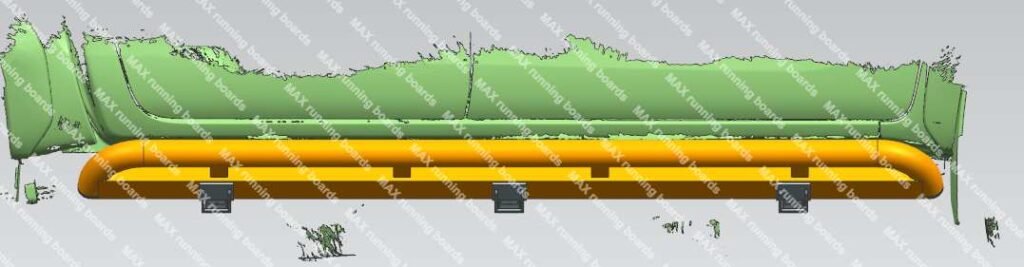
MAX has developed its own Rock Slider Style design for electric side steps. Vehicle data helps the engineering team plan how the product fits along the vehicle’s lower body.
The design process considers several factors:
- Vehicle body shape: Guides the step’s exterior profile and overall position.
- Underbody space: Helps identify available space for the retractable mechanism.
- Step placement: Helps position the stepping surface for vehicle access.
These details support the development of Custom Electric Side Steps for specific vehicle applications.
Why Do Mounting Brackets and Step Clearance Matter?
Different 4WD models have different underbody structures and mounting points. MAX must consider these differences when developing vehicle-specific brackets.
Bracket design affects how the step connects to the vehicle and where it sits below the body.
Step clearance is equally important. The electric mechanism needs enough space to extend and retract without hitting nearby vehicle components.
MAX must check the available space around the mounting area, underbody parts, and moving step assembly. Actual vehicle installation is still needed to verify fitment and movement.
How Does MAX Turn the Design into a Physical Product Kit?
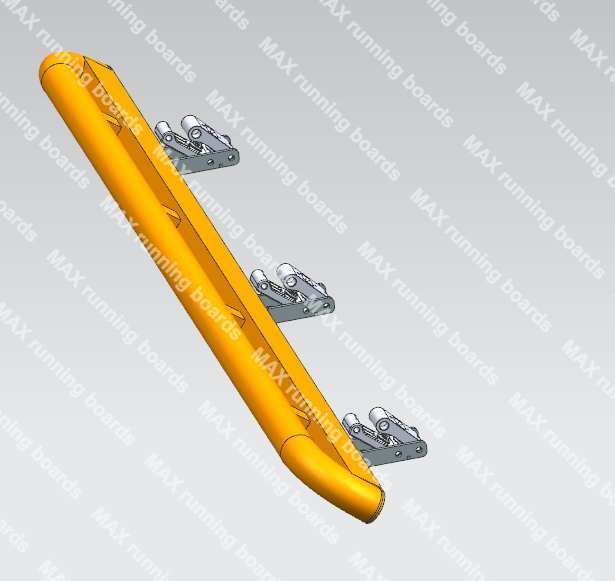
MAX has developed physical Rock Slider Style Electric Side Steps kits based on its original design.
A complete installation kit typically includes:
- Step assemblies: Retractable stepping components with the round-tube-inspired appearance.
- Mounting brackets: Vehicle-specific parts that connect the steps to the vehicle.
- Drive mechanism: Components that control step movement.
- Wiring harness and accessories: Electrical connections and installation hardware.

These product photos help buyers understand the kit’s structure and included components. However, a physical kit alone does not confirm completed installation testing or compatibility across all vehicle models.
How Can Australian 4WD Shops Source Rock Slider Style Electric Side Steps from MAX?
MAX Running Boards supports Australian 4WD shops, dealers, and importers with vehicle fitment checks, sample enquiries, wholesale orders, and after-sales service. Buyers can contact MAX to discuss product availability and project requirements before placing an order.
How Can Buyers Confirm Vehicle Fitment and Custom Requirements?
Before requesting a quote, buyers should provide three key details:
- Vehicle model: Such as Toyota Land Cruiser, Hilux, or Ford Ranger.
- Production year: Helps identify the correct vehicle generation.
- Body configuration: Such as single cab, dual cab, or SUV.
MAX will check whether a Rock Slider Style solution is available for the requested vehicle. If no existing fitment is available, MAX can assess the requirements for vehicle-specific development.
For vehicle-specific projects, explore MAX’s OEM and custom development services to learn more about Custom Electric Side Steps.
What Are the Sample, Wholesale and After-Sales Options?
MAX supports MOQ From 1 Set for standard electric running boards. However, Rock Slider Style sample availability, pricing, and MOQ depend on the specific vehicle and project.
Australian buyers can also discuss:
- Production and shipping: Lead times, air freight, and sea freight options to Australia.
- Installation support: Installation guides, technical communication, and replacement parts.
- Warranty: MAX’s 2-year warranty, subject to the applicable product terms.
Looking for an Electric Side Steps Supplier? Contact MAX Running Boards to confirm vehicle fitment, request samples, or discuss wholesale pricing for your 4WD business.
Conclusion
Rock Slider Style Electric Side Steps can be a valuable addition to your 4WD product range, depending on customer styling preferences, daily access needs, and vehicle compatibility. Australian 4WD shops can first assess customer interest through enquiries and product demonstrations before deciding on samples or inventory. This approach helps reduce unnecessary stock commitments. MAX Running Boards can provide product information, help confirm vehicle-specific fitment, and discuss B2B supply options. Contact MAX to explore suitable products and wholesale opportunities for your 4WD business.
