
Toyota towing capacity is an important factor for truck owners who plan to tow boats, travel trailers, or utility trailers. Toyota Tacoma and Toyota Tundra are two of the most popular pickup trucks from Toyota.
The towing capacity can change based on several factors, including the model year, generation, engine option, drivetrain, cab style, and bed length. A Tacoma with a different configuration may have a different tow rating than another Tacoma from the same year.
The same applies to the Toyota Tundra. Engine power, towing packages, and vehicle setup can affect the final towing performance. Understanding these details helps truck owners choose the right trailer for their vehicle.
In this guide, we will review the toyota tacoma towing capacity and toyota tundra towing capacity by generation. We will also provide key towing information for common trailer types, including boats, travel trailers, and utility trailers.
Whether you are planning weekend camping trips or daily towing tasks, knowing your truck’s tow rating helps you select the right trailer and tow with more confidence.
Toyota Truck Towing Capacity at a Glance
Toyota truck towing capacity varies by model and vehicle configuration. The midsize Toyota Tacoma can tow up to 6,500 pounds in its current generation when properly equipped, while the full-size Toyota Tundra can tow up to 12,000 pounds in its highest-rated configuration. Older Tacoma models can reach up to 6,800 pounds in certain setups, while Tundra towing capacity has increased from around 7,200 pounds in early generations to 12,000 pounds in newer models.
The exact towing capacity depends on several vehicle factors. Engine choice, drivetrain, cab style, bed length, axle ratio, transmission, and factory towing equipment can all affect the final tow rating. This means two trucks with the same model name may have different towing limits.
The table below provides a quick overview of Toyota Tacoma and Toyota Tundra towing capability before we review each generation in detail.
| Toyota Truck | Generations Covered | Maximum Towing Capacity | Typical Towing Use |
|---|---|---|---|
| Toyota Tacoma | 1995–present | Up to 6,800 lbs in older configurations; up to 6,500 lbs in the current generation | Utility trailers, small boats, ATVs, lightweight campers |
| Toyota Tundra | 2000–present | Up to approximately 12,000 lbs in newer configurations | Travel trailers, large boats, work trailers, heavier loads |
For a quick comparison, the current Tacoma and Tundra serve different towing needs. The Tacoma offers easier handling and enough power for smaller trailers, while the Tundra provides higher capacity for larger loads.
| Model | Vehicle Class | Current-Generation Maximum | Key Towing Strength |
| Toyota Tacoma | Midsize pickup | Up to 6,500 lbs | Maneuverability and moderate towing |
| Toyota Tundra | Full-size pickup | Up to 12,000 lbs | Higher capacity for larger trailers |
A maximum towing rating applies only to specific factory configurations. Truck owners should always confirm the rating for the exact model year, trim level, engine, cab style, bed length, drivetrain, and towing equipment before selecting a trailer.
What Determines a Toyota Truck’s Towing Capacity?
Toyota towing capacity is the maximum trailer weight a truck can safely pull under specific testing conditions. The rating considers vehicle control during acceleration, braking, and turning, not just the truck’s ability to move weight.
A truck’s tow rating depends on more than the model name. Engine type, drivetrain, vehicle weight, cab configuration, and factory towing equipment all affect the final towing capacity. This is why two Toyota trucks from the same generation can have different tow ratings.
Standardized towing tests, such as the SAE J2807 towing standard, help define trailer weight ratings and towing performance requirements. Understanding these factors helps truck owners choose the right trailer and avoid exceeding their vehicle’s limits.
| Configuration Factor | How It Affects Towing |
|---|---|
| Engine and torque | Influences acceleration, pulling power, and hill-climbing ability |
| Axle ratio | Changes pulling force and drivetrain performance |
| Cab configuration | Affects vehicle weight and available payload capacity |
| Bed length | Changes truck balance, weight distribution, and payload limits |
| 2WD / 4WD | Affects traction, curb weight, and towing stability |
| Transmission type | Influences power delivery and towing control |
| Vehicle curb weight and payload | Limits trailer tongue weight, cargo, and passenger load |
| Hitch class and receiver rating | Determines the maximum supported trailer connection weight |
| Factory towing package | Adds equipment such as hitch components, wiring, cooling upgrades, and trailer brake control |
| Cooling system and trailer-brake equipment | Helps manage heat and improves control during heavy towing |
For example, the Toyota Tacoma towing capacity can vary depending on whether the truck uses a smaller engine, a 4WD system, a long bed, or a factory tow package. The same principle applies to the Toyota Tundra towing capacity, especially across different generations and engine options.
Many truck owners check only the maximum towing number, but the real towing ability depends on the complete vehicle setup. A properly matched truck and trailer combination provides better control and a safer towing experience.
Toyota Tundra Towing Capacity by Generation
The Toyota Tundra is Toyota’s full-size pickup truck, and its towing capacity has increased across three generations. Early Tundra models offered towing ratings from around 4,800 to 7,200 pounds. The second-generation Tundra introduced larger V8 engines and increased towing capacity to around 10,000 pounds or more. The current generation can reach up to 12,000 pounds when properly equipped.
The toyota tundra towing capacity depends on the engine, drivetrain, cab style, bed length, axle ratio, and factory towing equipment. A Tundra with a different configuration can have a different tow rating, even within the same model year.
First-Generation Toyota Tundra: 2000–2006
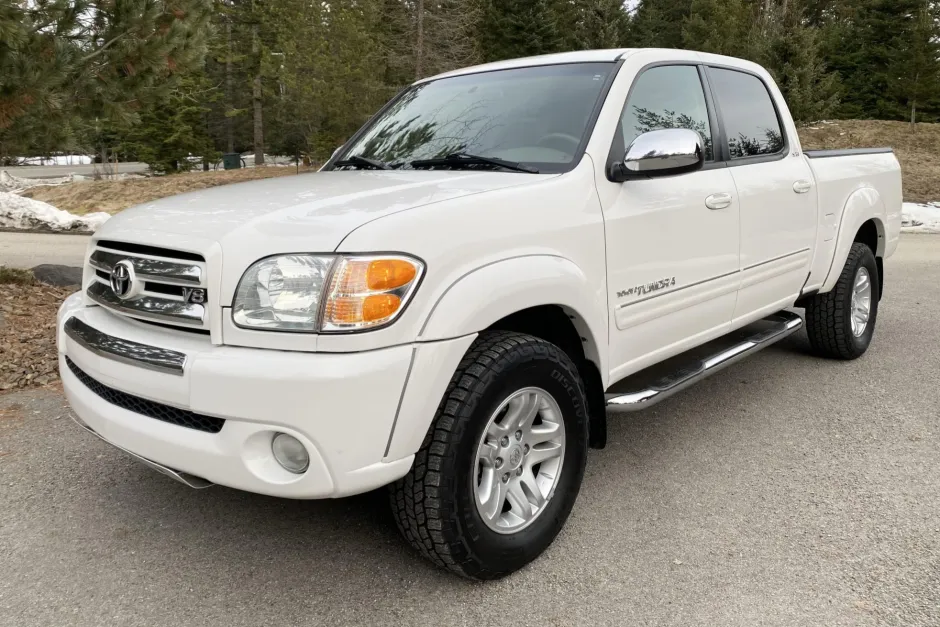
The first-generation Toyota Tundra offered 3.4L V6 and 4.7L V8 engine options with Regular Cab, Access Cab, and later Double Cab configurations. Towing capacity varied by engine, cab style, drivetrain, and factory equipment, with ratings ranging from approximately 4,800 to 7,200 pounds.
| Model years | Engine | Common configuration | Towing capacity |
|---|---|---|---|
| 2000–2006 | 3.4L V6 | Regular Cab / Access Cab configurations | Approximately 4,800–5,250 lbs |
| 2000–2006 | 4.7L V8 | 2WD / 4WD configurations | Approximately 6,500–7,200 lbs |
Exact towing capacity depends on the specific cab style, drivetrain, axle ratio, and factory equipment. Some configurations may have different ratings within the same model year.
Second-Generation Toyota Tundra: 2007–2021
The second-generation Toyota Tundra brought major changes in size, power, and towing capability. Toyota expanded the engine lineup with the 4.0L V6, 4.7L V8, 4.6L V8, and the powerful 5.7L V8 engine.
This generation also introduced more body configurations, including Regular Cab, Double Cab, and CrewMax models. Different bed lengths, drivetrain options, and towing equipment created a wide range of tow ratings.
The 5.7L V8 became the main choice for heavy towing. Properly equipped models could reach around 10,000 to 10,800 pounds of towing capacity. This made the Tundra suitable for larger travel trailers, boats, and work trailers.
2007–2009 Toyota Tundra Towing Capacity
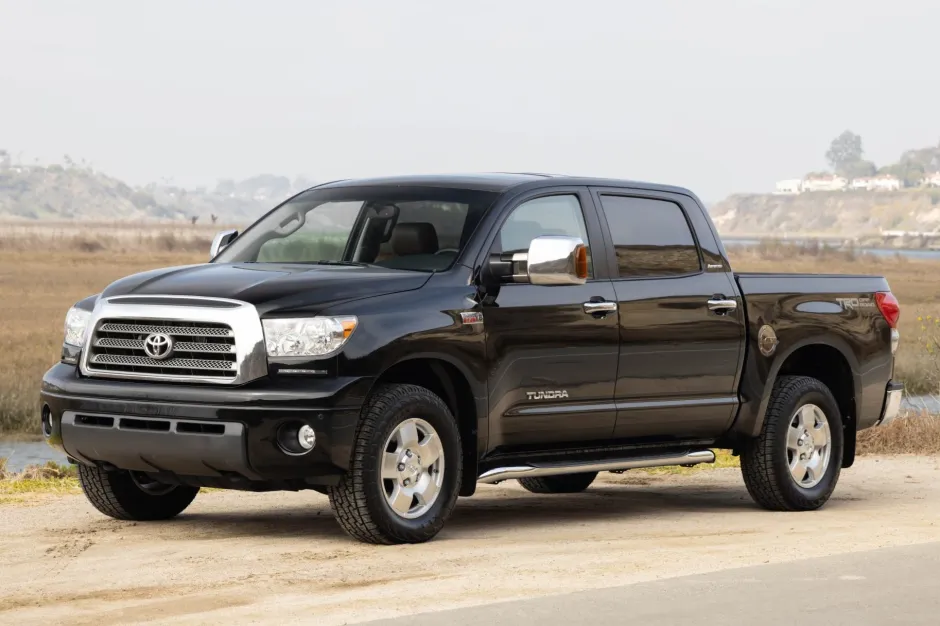
During the first years of the second generation, Toyota offered multiple engine choices. The 5.7L V8 delivered the highest towing performance, while the 4.0L V6 focused more on lighter-duty use.
| Engine | Cab / Bed Configuration | Drivetrain | Towing Capacity |
|---|---|---|---|
| 4.0L V6 | Regular Cab, standard bed | 2WD | Up to 5,000 lbs |
| 4.7L V8 | Regular Cab, standard bed | 2WD | Up to 8,500 lbs |
| 5.7L V8 | Regular Cab, standard / long bed | 2WD / 4WD | Approximately 10,100–10,800 lbs |
| 5.7L V8 | Double Cab / CrewMax | 2WD / 4WD | Approximately 10,100–10,600 lbs |
2010–2013 Toyota Tundra Towing Capacity
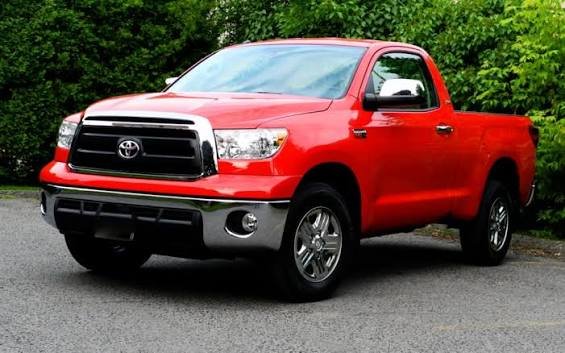
Toyota updated the engine lineup during this period. The 4.6L V8 replaced the older 4.7L V8, while the 5.7L V8 continued to provide the highest towing ratings.
| Engine | Cab / Bed Configuration | Drivetrain | Towing Capacity |
|---|---|---|---|
| 4.0L V6 | Regular Cab | 2WD | Up to 4,900 lbs |
| 4.6L V8 | Double Cab / CrewMax | 2WD / 4WD | Approximately 7,700–8,200 lbs |
| 5.7L V8 | Double Cab / CrewMax | 2WD / 4WD | Approximately 9,000–10,500 lbs |
The 5.7L V8 Tundra became a popular choice among owners who needed extra power for camping trailers and heavier equipment. Many drivers selected the CrewMax configuration because it provided more passenger space while maintaining strong towing ability.
2014–2018 Toyota Tundra Towing Capacity
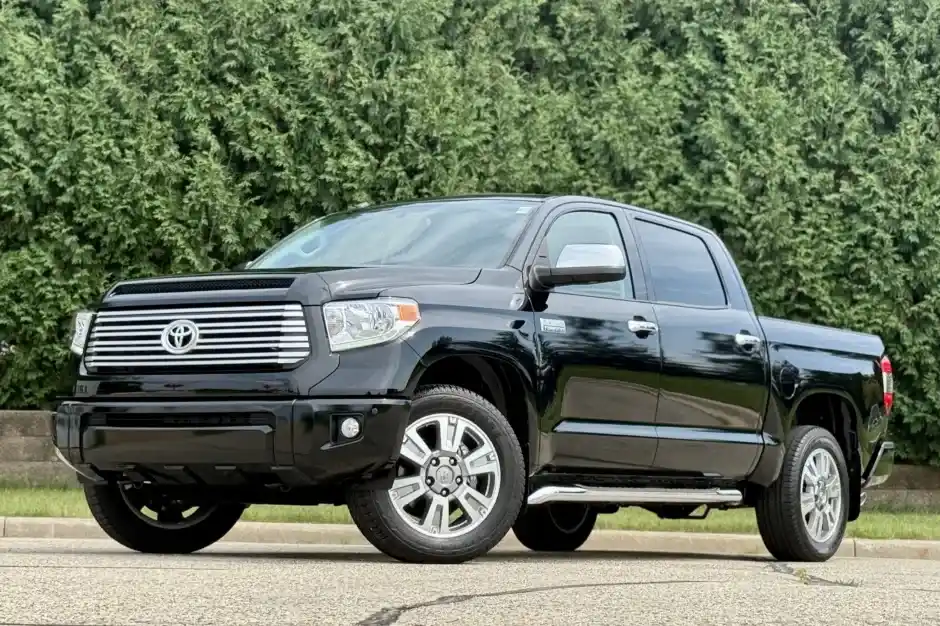
Toyota continued improving the second-generation Tundra with updated features and safety equipment. The 5.7L V8 remained the top engine choice for maximum towing.
| Engine | Cab Configuration | Drivetrain | Towing Capacity |
|---|---|---|---|
| 4.6L V8 | Double Cab / CrewMax | 2WD / 4WD | Approximately 6,400–6,800 lbs |
| 5.7L V8 | Double Cab / CrewMax | 2WD / 4WD | Approximately 9,800–10,200 lbs |
2019–2021 Toyota Tundra Towing Capacity
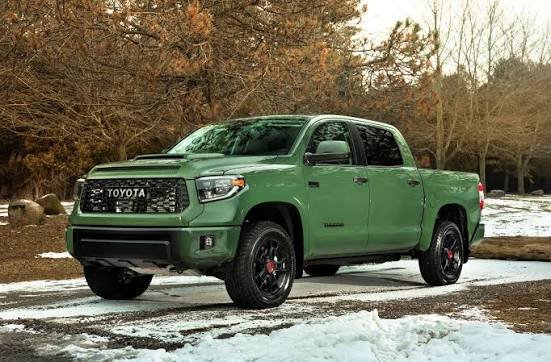
The final years of the second generation mainly used the 5.7L V8 engine. The maximum towing capacity reached about 10,200 pounds, depending on the drivetrain, cab style, bed length, wheels, and factory equipment.
This generation remains popular among truck owners who need a reliable full-size pickup for travel trailers, large boats, and work-related towing.
Third-Generation Toyota Tundra: 2022–Present
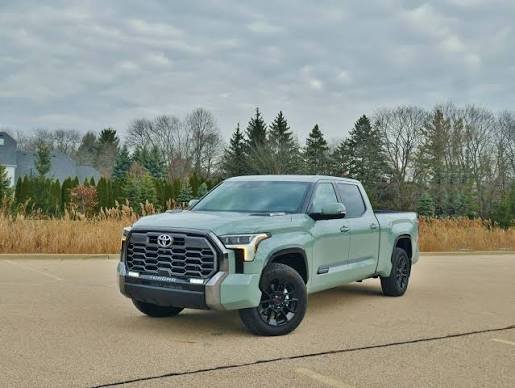
The third-generation Toyota Tundra introduced a new platform, updated powertrains, and improved towing technology. Toyota replaced the previous V8 engine with a 3.4L twin-turbo V6 engine family, including i-FORCE and i-FORCE MAX hybrid powertrain options.
This generation offers more configuration choices, including Double Cab and CrewMax models, different bed lengths, and 2WD or 4WD drivetrains. The maximum Toyota Tundra towing capacity reaches up to 12,000 pounds on specific configurations when properly equipped.
The exact towing rating depends on the trim level, engine type, cab configuration, bed length, drivetrain, wheel package, and factory towing equipment.
| Trim / High-rated configuration | Maximum towing capacity |
|---|---|
| SR5, selected Double Cab / bed / drivetrain configurations | Up to 12,000 lbs |
| SR | Up to 8,300 lbs |
| Limited | Up to approximately 11,450 lbs |
| Platinum | Up to approximately 11,380 lbs |
| 1794 Edition | Up to approximately 11,380 lbs |
| TRD Pro | Up to approximately 11,175 lbs |
| Capstone | Up to approximately 10,340 lbs |
The 12,000-pound rating applies only to specific SR5 configurations. It is not the towing capacity of every SR5 Tundra. The final rating depends on the cab style, bed length, drivetrain, wheels, and factory towing equipment.
These figures represent maximum ratings for specific configurations. The exact capacity may vary with cab style, bed length, powertrain, drivetrain, wheels, and factory equipment.
For many Tundra owners, towing is part of daily work and outdoor activities. A properly equipped third-generation Tundra can handle travel trailers, large boats, and heavy utility trailers while providing modern towing assistance features.
Toyota Tundra Towing Features
The third-generation Tundra includes several factory features that support towing control and convenience:
- Tow/Haul Mode adjusts transmission behavior for heavier loads and helps maintain better control during towing.
- Integrated Trailer Brake Controller helps drivers manage trailer braking from inside the cab.
- Trailer Back Guidance provides camera views and guidance when reversing with a trailer.
- Straight Path Assist helps improve trailer reversing control.
- Trailer-Sway Control helps reduce trailer movement during towing.
- Factory Hitch Receiver and Wiring provide a ready connection for compatible trailers.
- Fully Boxed Frame and Heavy-Duty Rear Axle support towing strength and stability.
- Available Cooling Support helps manage heat during demanding towing conditions.
The latest Tundra shows how Toyota increased towing performance through stronger powertrains, improved chassis design, and better towing technology. For owners who use their trucks for camping, hauling, or off-road trips, choosing the correct configuration remains the key factor in reaching the rated towing capacity.
Toyota Tacoma Towing Capacity by Generation
The Toyota Tacoma is Toyota’s midsize pickup truck, offering practical towing capability in a smaller package than the Tundra. Across different generations, the towing capacity of Toyota Tacoma has ranged from around 3,400 pounds in basic four-cylinder models to approximately 6,500–6,800 pounds in higher-output configurations.
The toyota tacoma towing capacity depends on the engine, drivetrain, cab style, bed length, transmission, and factory towing equipment. Different configurations can have different tow ratings, even within the same model year.
This section covers Tacoma towing capacity by generation, including major engine options and the maximum towing ratings for each period.
First-Generation Toyota Tacoma: 1995–2004
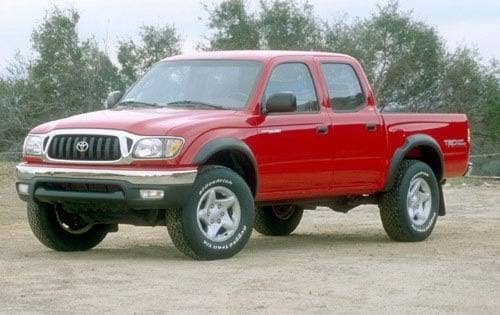
The first-generation Toyota Tacoma offered 2.4L I4, 2.7L I4, and 3.4L V6 engine options with Regular Cab, XtraCab, and Double Cab configurations. Four-cylinder models focused on light towing, while the 3.4L V6 provided higher capability.
The towing capacity of Toyota Tacoma in this generation ranged from around 3,500 pounds to 5,000 pounds depending on the engine and configuration.
| Engine | Cab Configuration | Drivetrain | Towing Capacity |
|---|---|---|---|
| 2.4L / 2.7L I4 | Regular Cab | 2WD / 4WD | Around 3,500 lbs |
| 2.7L I4 | XtraCab / Double Cab | 2WD / 4WD | Around 3,500 lbs |
| 3.4L V6 | XtraCab / Double Cab | 2WD / 4WD | Up to 5,000 lbs |
The first-generation Tacoma works well for lighter towing tasks such as small utility trailers, compact boats, and outdoor equipment. The V6 models provide the higher towing capacity for owners who need more pulling power.
Second-Generation Toyota Tacoma: 2005–2015
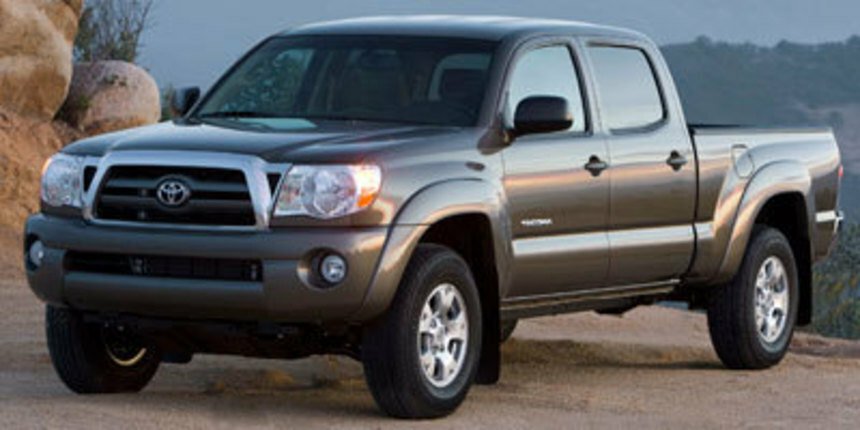
The second-generation Toyota Tacoma offered improved towing performance with two main engine options: the 2.7L I4 and 4.0L V6. The V6 models provided much higher towing capability, with some configurations reaching up to 6,500 pounds.
Towing capacity varied by cab style, bed length, drivetrain, and factory equipment. Double Cab Short Bed and Long Bed models may have slightly different ratings than Access Cab models.
| Model Years | Engine | Cab / Bed Configuration | Drivetrain | Towing Capacity |
|---|---|---|---|---|
| 2005–2015 | 2.7L I4 | Regular / Access Cab | 2WD / 4WD | Around 3,500 lbs |
| 2005–2008 | 4.0L V6 | XtraCab / Double Cab | 2WD / 4WD | Up to 6,500 lbs |
| 2009–2011 | 4.0L V6 | Access Cab | 2WD / 4WD | Up to 6,500 lbs |
| 2009–2015 | 4.0L V6 | Double Cab Short Bed | 4WD or configuration-dependent | Up to about 6,400 lbs |
| 2009–2015 | 4.0L V6 | Double Cab Long Bed | Configuration-dependent | Up to about 6,300 lbs |
The second-generation Tacoma became a popular choice for outdoor use because it balanced daily driving size with useful towing power. Many owners used V6 models for small travel trailers, boats, ATVs, and utility trailers.
Third-Generation Toyota Tacoma: 2016–2023
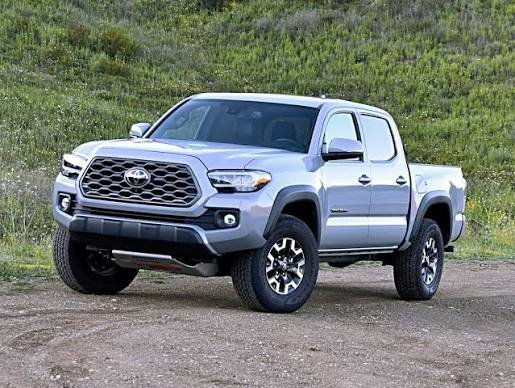
The third-generation Toyota Tacoma offered 2.7L I4 and 3.5L V6 engine options. The V6 models provided the highest towing performance, with some configurations reaching up to 6,800 pounds.
The exact toyota tacoma towing capacity depended on the cab style, bed length, drivetrain, and factory equipment. Access Cab 2WD models generally achieved the highest ratings, while some Double Cab, 4WD, and long bed configurations had slightly lower tow ratings.
| Engine | Cab / Bed Configuration | Drivetrain | Towing Capacity |
|---|---|---|---|
| 2.7L I4 | Access Cab / Double Cab | 2WD / 4WD | Around 3,500 lbs |
| 3.5L V6 | Access Cab | 2WD | Up to 6,800 lbs |
| 3.5L V6 | Access Cab | 4WD | Up to 6,500 lbs |
| 3.5L V6 | Double Cab Short Bed | 2WD / 4WD | Approximately 6,400–6,700 lbs |
| 3.5L V6 | Double Cab Long Bed | 2WD / 4WD | Approximately 6,400–6,600 lbs |
The 2016–2023 Tacoma remained a popular midsize truck for owners who tow small campers, boats, and utility trailers. The 2020–2023 facelift models kept similar towing ranges while adding updated features and technology.
Fourth-Generation Toyota Tacoma: 2024–Present
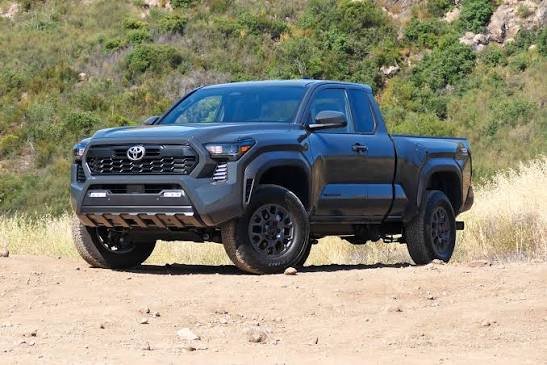
The fourth-generation Toyota Tacoma introduced new turbocharged powertrains, including the 2.4L i-FORCE and 2.4L i-FORCE MAX hybrid. Toyota offers XtraCab and Double Cab models with 5-foot and 6-foot bed options.
Base SR configurations can tow around 3,500 pounds, while selected i-FORCE XtraCab configurations can reach up to 6,500 pounds when properly equipped. The i-FORCE MAX hybrid models can tow approximately 5,950–6,000 pounds depending on the configuration.
| Engine / Configuration | Cab / Bed | Maximum Towing Capacity |
|---|---|---|
| i-FORCE 2.4L turbo | SR base configuration | 3,500 lbs |
| i-FORCE 2.4L turbo | Selected XtraCab configurations | Up to 6,500 lbs |
| i-FORCE 2.4L turbo | Selected Double Cab configurations | Up to approximately 6,400 lbs |
| i-FORCE MAX hybrid | Selected Double Cab configurations | Approximately 5,950–6,000 lbs |
The latest Tacoma also provides modern towing equipment to improve trailer control and visibility:
- Class IV towing hitch receiver supports compatible trailer connections.
- 7-pin and 4-pin connectors provide trailer electrical connections.
- Integrated Trailer Brake Controller helps manage trailer braking.
- Trailer Backup Guide assists with trailer reversing.
- Trailer Blind Spot Monitor helps detect vehicles near the trailer.
- Trailer Camera improves rear visibility during towing.
- Trailer-Sway Control helps maintain trailer stability.
- 3D Panoramic View Monitor provides additional camera views around the truck.
- Available transmission and engine cooling support helps manage towing conditions.
The fourth-generation Tacoma continues Toyota’s focus on midsize truck capability. With the right configuration, it can handle common towing tasks such as small travel trailers, boats, and utility trailers.
What Can a Toyota Tacoma or Tundra Tow?
Toyota Tacoma and Toyota Tundra can handle different towing needs based on their size and towing capacity. Tacoma is a midsize pickup that works well for lighter trailers and outdoor equipment. Tundra provides higher towing capability for larger trailers and heavier loads.
Common Tacoma Towing Uses
A Toyota Tacoma is commonly used for:
- Utility trailers
- Small boats
- Personal watercraft
- ATV and UTV trailers
- Teardrop campers
- Lightweight travel trailers
Common Tundra Towing Uses
A Toyota Tundra is better suited for heavier towing tasks, including:
- Large boats
- Larger travel trailers
- Work trailers
- Equipment trailers
- Heavier campers
When comparing a trailer with a Toyota truck’s towing capacity, always use the loaded trailer weight instead of the empty trailer’s advertised dry weight. Cargo, water tanks, equipment, and additional gear can add significant weight. Trailer weight changes with cargo, equipment, and load distribution, so drivers should consider the fully loaded trailer weight before towing. Drivers can also review vehicle load safety guidelines to better understand proper loading practices.
| Trailer Type | Tacoma | Tundra |
|---|---|---|
| Utility trailer | Usually suitable | Easily suitable |
| Small boat | Often suitable | Suitable with more capacity margin |
| ATV trailer | Often suitable | Suitable |
| Teardrop camper | Configuration-dependent | Suitable |
| Large travel trailer | May exceed practical limits | Usually better suited |
| Heavy work trailer | Configuration-dependent and limited | Better suited |
Choosing the right trailer depends on the truck’s exact configuration, payload capacity, and towing rating. A properly matched setup helps maintain better control and towing safety.
Do Power Running Boards Affect Toyota Truck Towing Capacity?
Power running boards do not increase a Toyota Tacoma or Tundra’s factory towing capacity, payload rating, GVWR, or GCWR. They are an accessibility accessory, not a towing performance upgrade.
A properly fitted power running board system adds some weight to the truck, and this weight should be included in the available payload calculation. However, it does not change the manufacturer’s tow rating by itself.
The main factors that determine Toyota truck towing capacity include:
- Engine and powertrain
- Cab and bed configuration
- Drivetrain
- Axle ratio
- Vehicle weight
- Hitch rating
- Factory towing equipment
- GVWR, GCWR, and payload limits
Power running boards should be viewed as a comfort and usability upgrade for truck owners. They help drivers enter and exit the vehicle more easily while keeping the original towing capability unchanged.
Why Power Running Boards Make Sense for Towing
Towing often requires drivers to get in and out of the truck many times. Drivers may need to connect a trailer, check the hitch, inspect safety chains and wiring, adjust the trailer brake controller, or load camping gear and tools.
A wider and more stable step makes these tasks easier. Power running boards automatically extend when the door opens and retract when the door closes. This feature gives Toyota Tacoma and Tundra owners a more convenient way to access the cab during towing trips.
For example, a truck owner preparing a weekend camping trip may check the trailer connection several times before leaving. A stable step makes it easier to move between the driver seat, truck bed, and trailer area, especially when the truck has a higher ride height.
Why Retractable Design Matters
Retractable power running boards provide an advantage over traditional fixed side steps. Fixed steps remain below the vehicle at all times, while retractable running boards move closer to the rocker panel when the doors close.
This design helps keep the side of the truck cleaner and provides better ground clearance for drivers who use their Toyota trucks on uneven roads, camping areas, or job sites.
For Toyota Tacoma and Tundra owners, MAX Running Boards offers vehicle-specific solutions that match different truck configurations. Max Toyota Tacoma Power Running Boards provide a practical upgrade for midsize truck owners who need easier access without changing towing performance. Full-size truck owners can also explore Max Toyota Tundra Power Running Boards for improved access and daily usability.
Power running boards do not add towing capacity, but they improve the overall truck experience. For owners who tow, camp, or use their Toyota trucks for work, better access and convenience can make every trip easier.
Conclusion
Toyota towing capacity depends on the engine, drivetrain, cab style, bed length, payload, and factory towing equipment. The Tacoma provides practical towing ability for smaller trailers and outdoor equipment, while the Tundra offers higher capacity for larger trailers and heavier loads.
Power running boards do not increase towing capacity, but they improve truck access and daily convenience for towing, camping, and work use.
MAX Running Boards provides vehicle-specific power running boards for Toyota trucks and SUVs. Contact us today to get more about our solutions for your vehicle.
